Cabin team event: From competition to cooperation
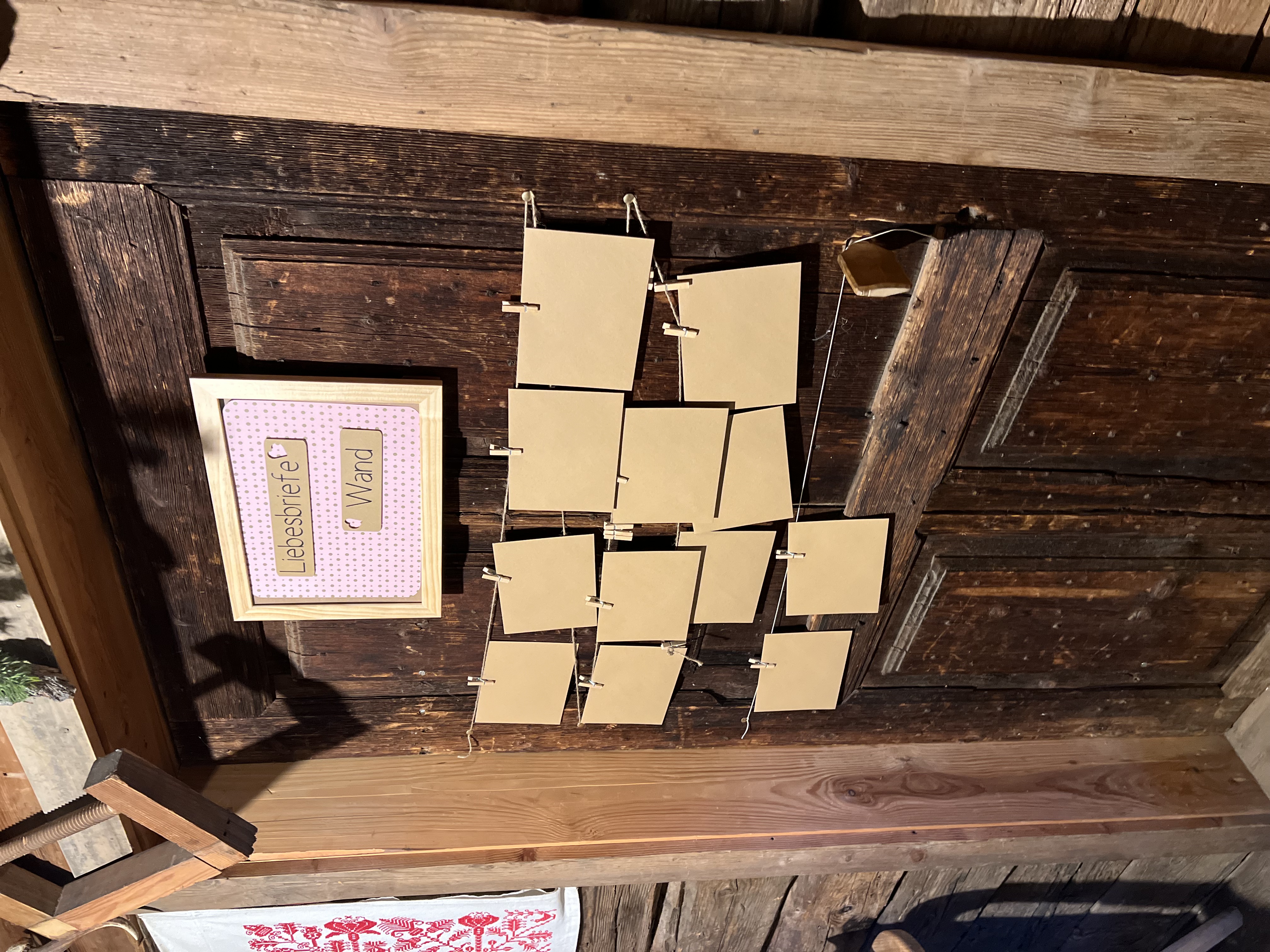
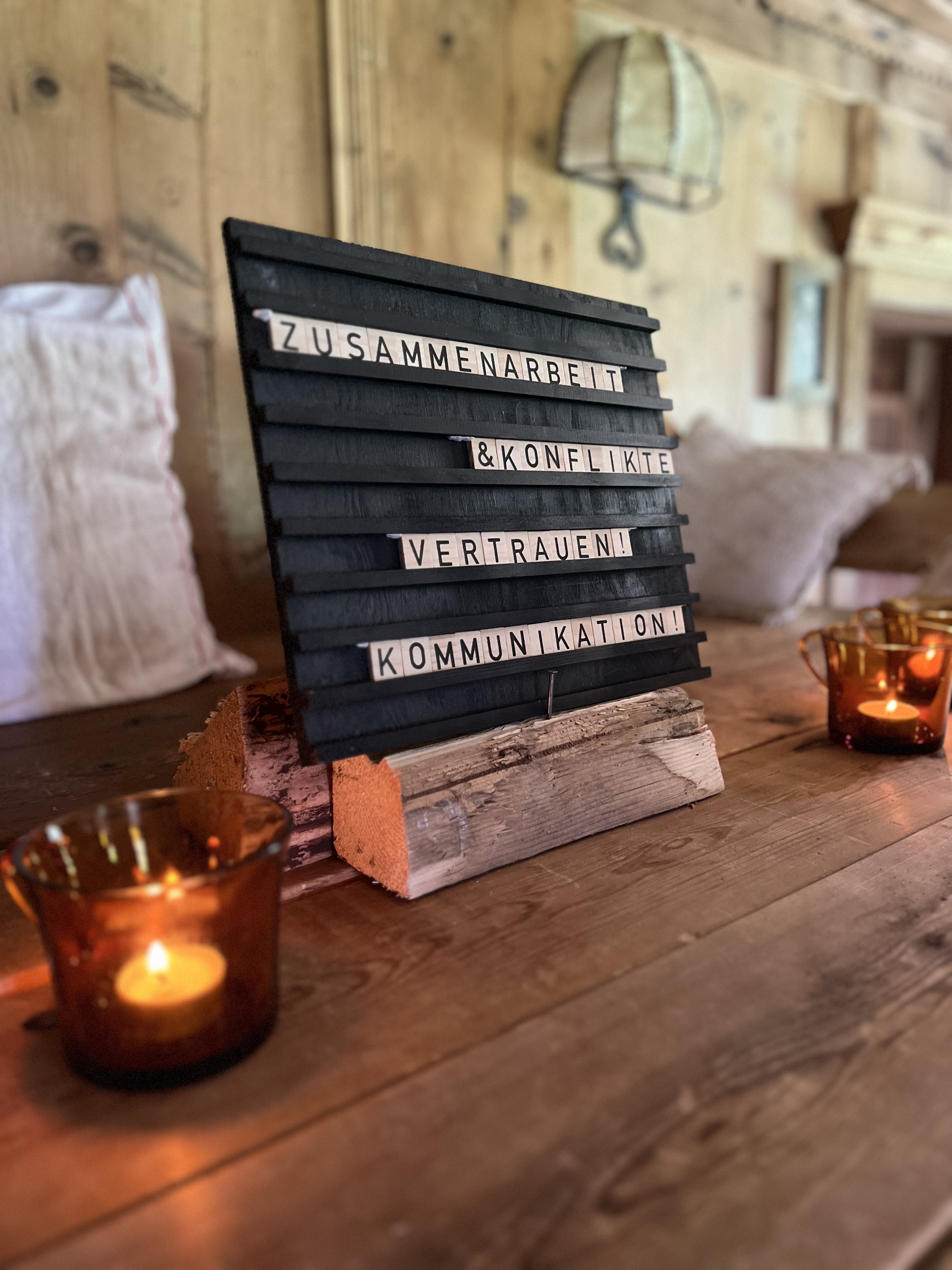
Strategically important teams are often under considerable pressure: decisions must be made quickly, conflicts need to be resolved constructively, and collaboration has to function at a high level. But what happens when teamwork begins to break down? During a two-day cabin team retreat, we supported a leadership team facing a central challenge: the atmosphere was marked by tension, misunderstandings, and a clear sense of working against one another. The goal was clear: rebuild trust, address conflicts, and develop a sustainable team culture.
The Starting Point: When Conflict Blocks Collaboration
The team consisted of around ten leaders from a strategically important area. In everyday work, emotional conflicts and communication problems had increasingly intensified.
Typical symptoms included:
Misunderstandings and tension in daily interactions
Inefficient decision-making processes
Conflicts that remained unspoken or escalated
A climate of opposition rather than shared responsibility
The challenge was to create a new foundation for collaboration within just two days — and to initiate change that would last beyond the retreat itself.
The Approach: A Cabin Retreat as a Turning Point
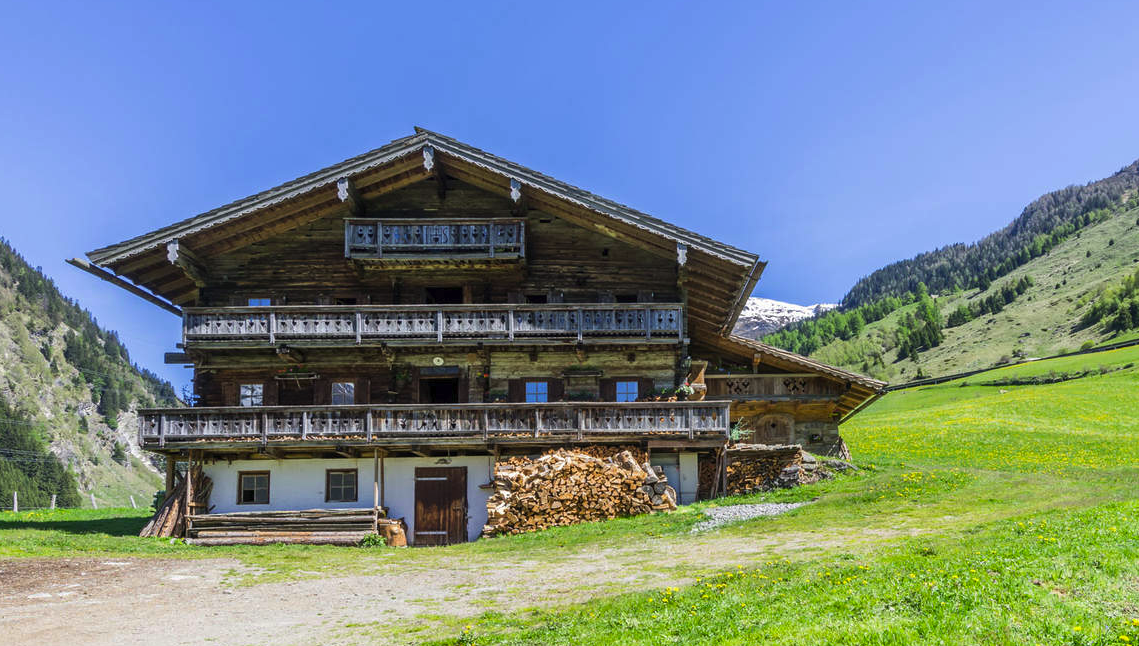
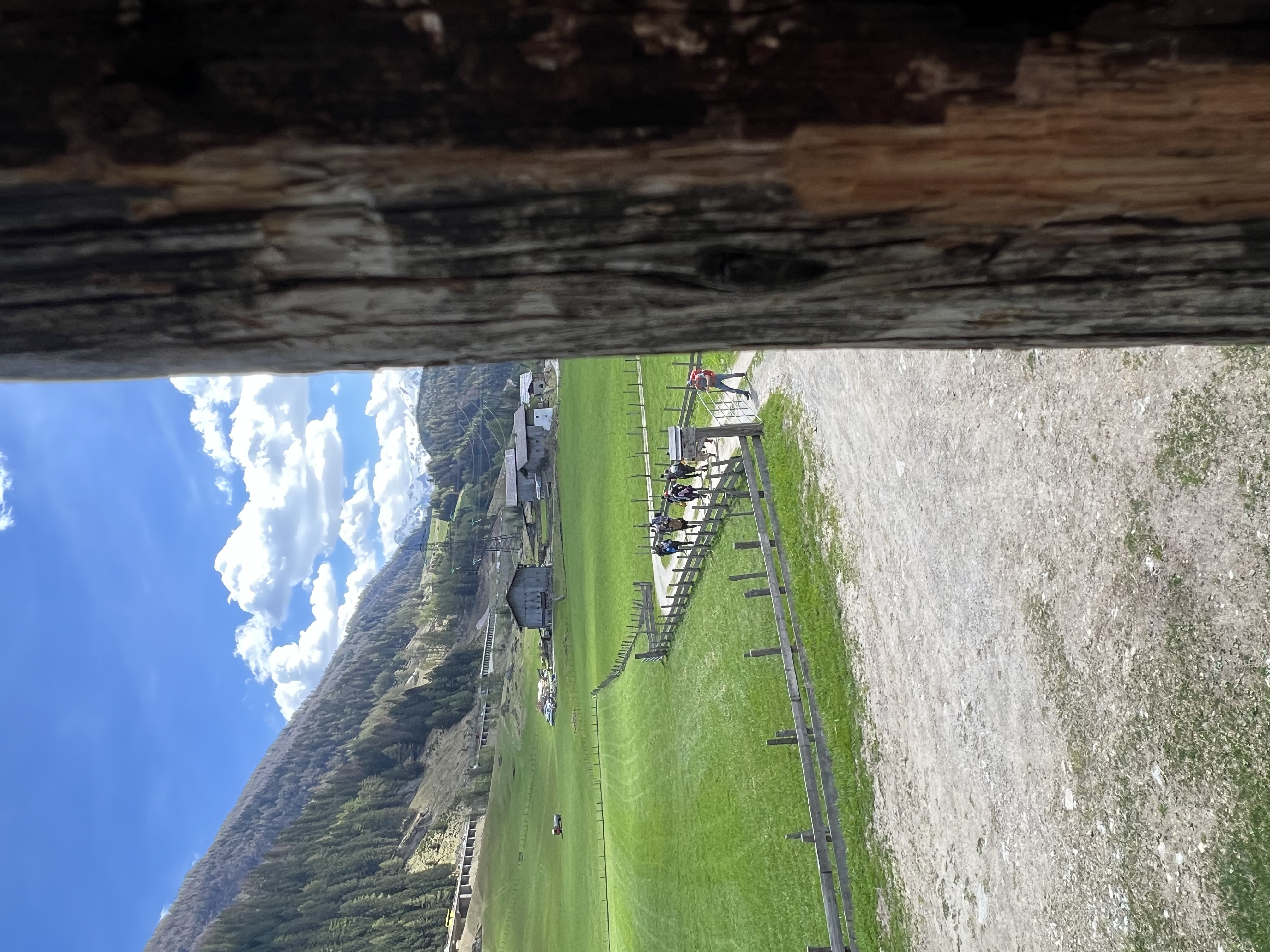
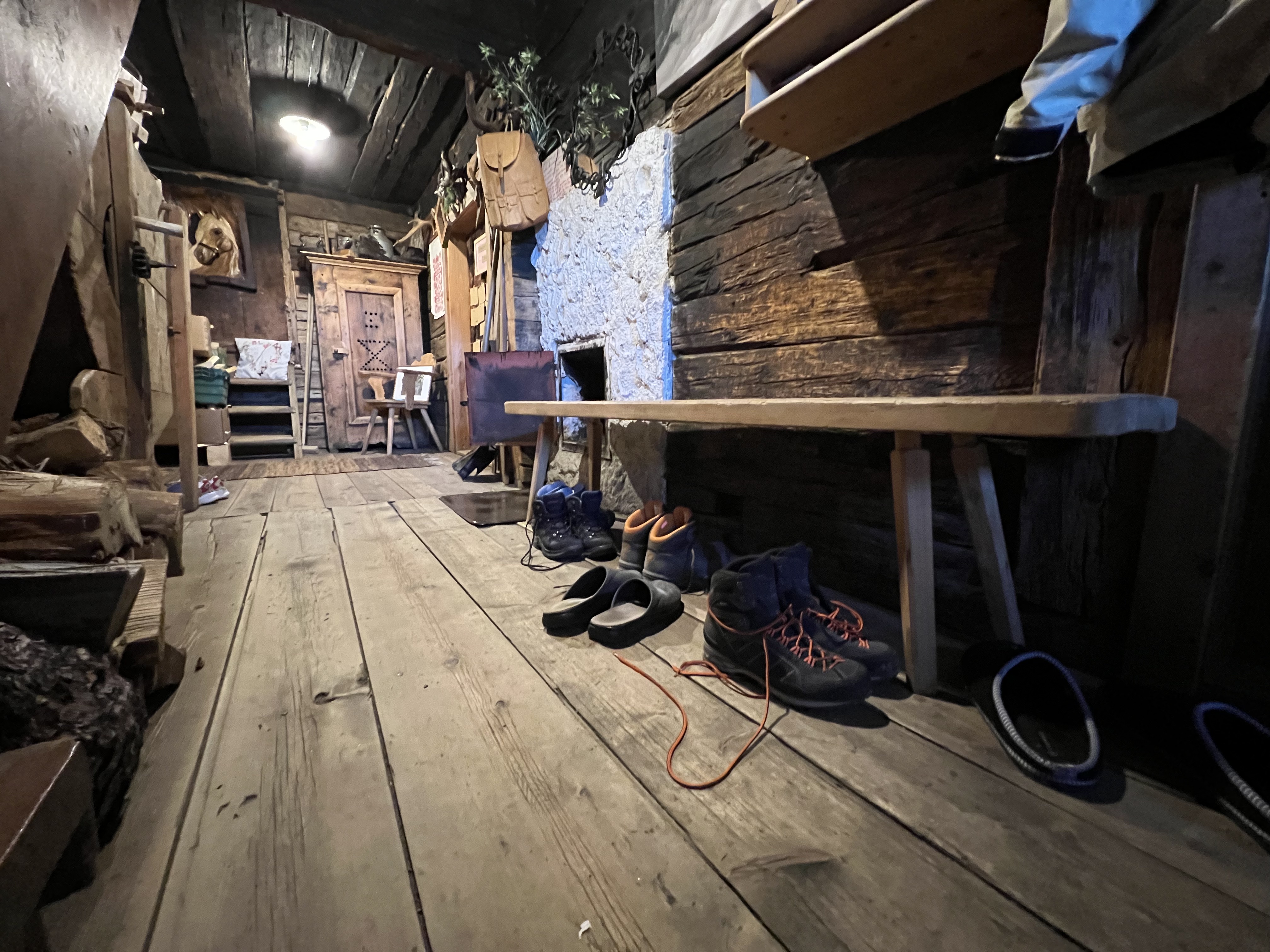
Our solution was an intensive two-day team retreat held in a remote self-catering cabin. The change of environment was intentional and central to the concept: stepping away from the usual workplace context creates space for new perspectives, openness, and genuine connection.
Key Elements of the Program
Preparation: Understanding Conflicts and Clarifying Expectations. Before the retreat, we conducted individual conversations with all participants. This allowed us to analyze conflict dynamics, needs, and expectations and to integrate them directly into the program.
Traveling Together: Building Connection Early. The shared journey became the first step. Informal conversations emerged, distance was reduced, and the groundwork for trust was laid.
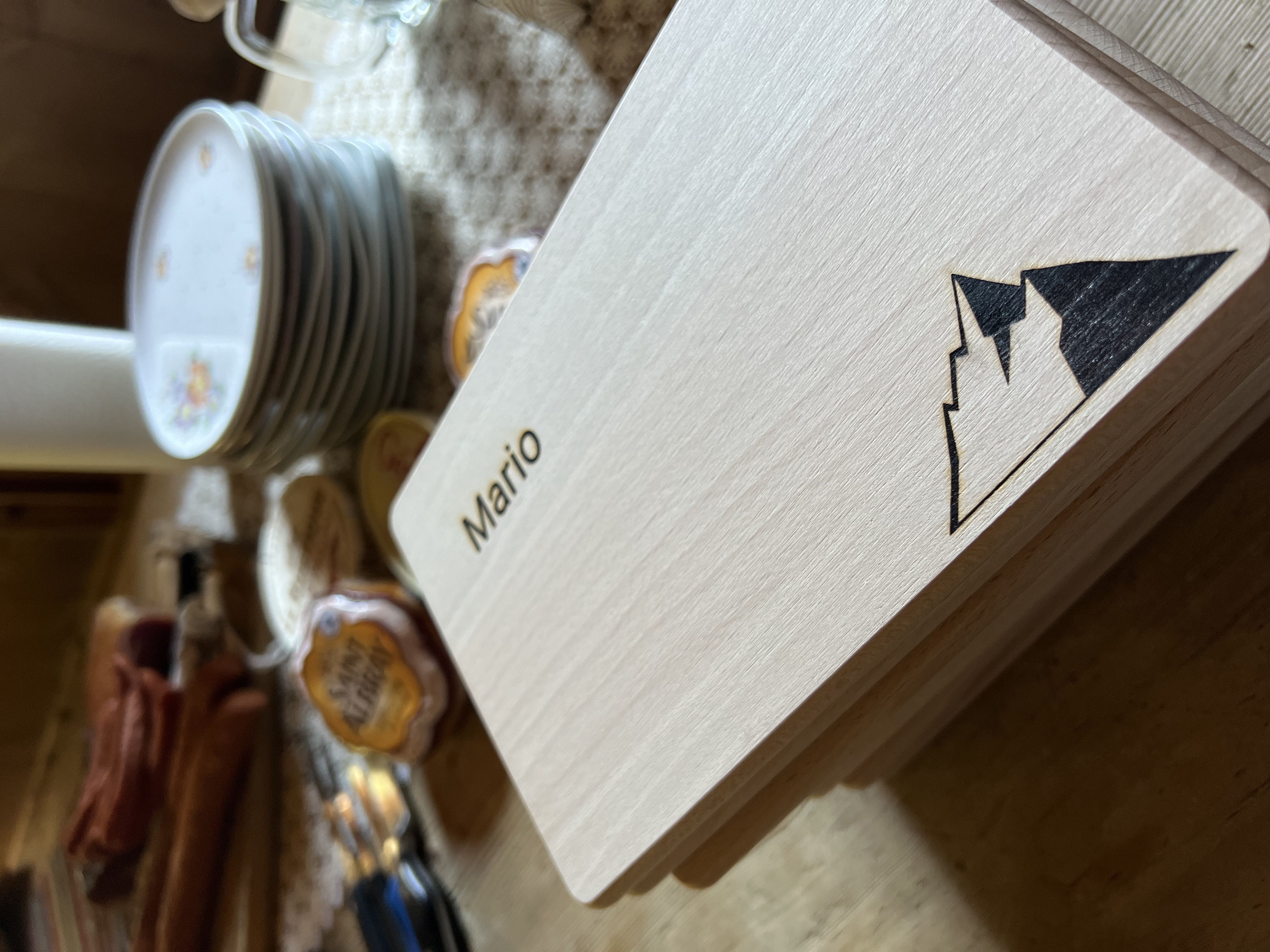
Team Building Through Community – cooking together, staying overnight in shared spaces, and experiencing everyday life as a group strengthened the sense of “we.” These shared experiences often had a deeper impact than any theoretical intervention: leaders met each other on equal footing — beyond roles and hierarchies.
Workshops: Addressing Conflict and Transforming Communication. At the heart of the retreat were practical workshops, including:
Moderated conversations to resolve conflict
Communication exercises to shift emotional confrontations into constructive dialogue
Reflection formats to enhance self-awareness and mutual perception
Empathy and mutual understanding grew noticeably stronger.
Results: Change That Was Measurable and Tangible
1. Measurable Improvements Within Two Days
Even during the retreat, the team demonstrated significantly improved communication:
Tensions were reduced
Conflicts were openly addressed and worked through
Decision-making became clearer and more constructive
2. Observable Shifts in Team Atmosphere
Trust within the team grew visibly. What had once felt like opposition turned into genuine collaboration.
After the retreat, the team introduced new routines:
Regular feedback sessions
Constructive dialogue as a new standard
Faster recognition and active resolution of conflicts
3. Sustainable Impact in Everyday Work
The change did not remain in the cabin — it carried into daily practice:
Conflicts were recognized earlier
Collaboration became more efficient
Decisions were made with greater clarity and shared ownership
A new team culture emerged — strategically relevant and culturally supported.
What Made the Difference: The Change of Environment: A Protected Space for Openness. The remoteness of the cabin created a safe setting for honest conversations. Hierarchies faded into the background, making authentic encounters possible.
The Methods: Team Building + Reflection + Practice
The combination of workshops, personal reflection, and shared experiences enabled deep development. The Community: Trust Through Shared Experiences, like cooking together, evening conversations, and collective moments strengthened the new dynamic and made change tangible.
Conclusion: Team Culture Grows Where Real Connection Becomes Possible. This cabin retreat demonstrated how powerful a well-designed program in an inspiring environment can be. The changes — from improved communication to a sustainably strengthened team culture — were not only felt, but directly measurable.
Would you like to offer your leadership team a similar journey? We support you.